 Aleksander Grosz
Good conversations can be planned.
Since October 2026 I have been Managing Director of Spenden Manufaktur in Berlin, a provider of telephone fundraising. Before that I spent over twenty years responsible for customer service and contact centers, on both sides of the table, most recently with a focus on outbound. I write about it in my newsletter and on LinkedIn, in German.
Up to 370 FTE managed across several providers · one contact center built from nothing · COPC Registered Coordinator
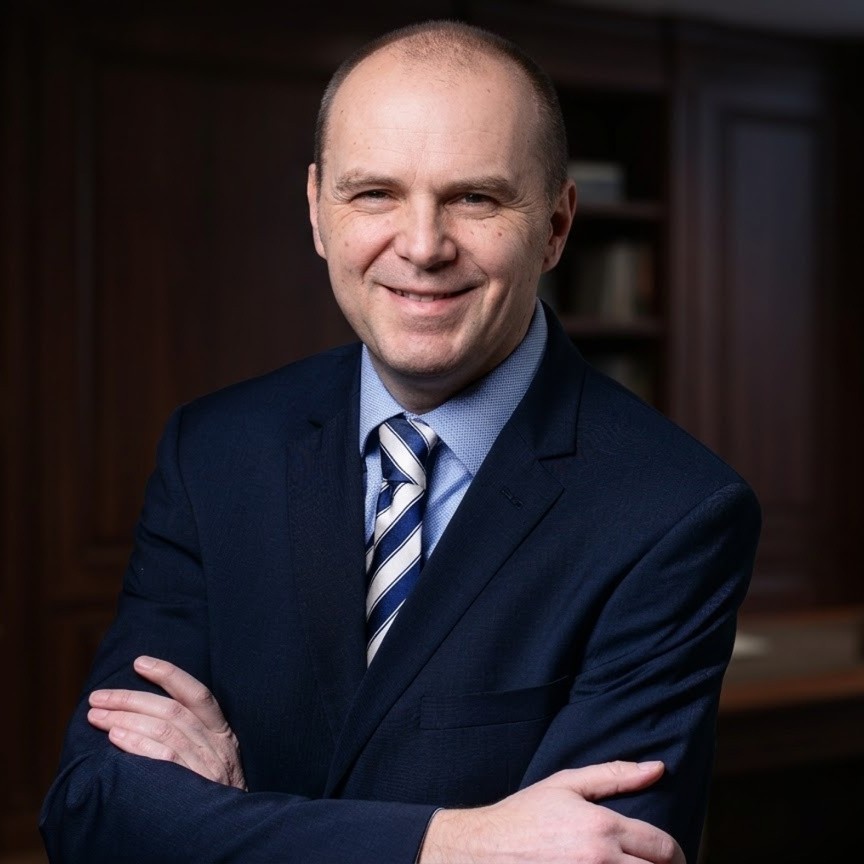
of the table
2020 to 2023
2015 to 2016
2012 to 2015
Where I look first
Whether a conversation succeeds is often decided beforehand: in the planning, and in who is responsible for what. Two examples from service, one from outbound.
The first thing I do is separate repeat calls from first contacts. Many reports show them as two completed contacts while the case is still open, which makes the operation look more productive than it is. A clean contact-reason taxonomy shows which cases are not answered fully the first time, and that is exactly where the second calls come from.
I introduced an AI solution for inbound calls, and it did take noticeable load off the operation. Above all, I learned about the knock-on effects. When the simple cases disappear, everything behind them changes: the mix of the remaining conversations, how long they take, what the job asks of people, and what a good call even means afterward. I now plan for that from the outset.
Three times I set up outbound as a separate unit, with a dedicated team and dialer. With manual dialing, half the day is lost to waiting and answering machines. When outbound has to fit around other work, there is always a good reason not to call today. With a dedicated team, leads that had been left sitting turned into conversations.
Three areas I have been responsible for
Each with my own budget and staff.
Contact center operations
Building and running service units, by phone and in writing, in one language or many.
- Sites built from nothing, up to the first client
- Quality systems agreed with the works council
- Multilingual teams, up to nine countries
Vendor management
Selecting, contracting and steering partners, domestic and international, from both sides of the contract.
- Tenders in Europe, North and South America
- Business reviews and a benchmark across all providers
- Bonus and penalty terms both sides can verify
- Workforce management on the client side
Outbound and telesales
Building in-house units to call leads that would otherwise be left waiting.
- A dedicated team that does nothing else
- A dialer instead of dialing by hand
- Call order by lead age and reachability
What came of it
Lead qualification brought in-house
- Situation
- The same starting point three times. Leads were there, sometimes plenty of them, but a large share was left sitting. Dialing was done by hand, follow-ups drifted apart, and ownership sat with a team that already had other work. Where providers were involved, they were performing below what they could do.
- What I did
- The same route each time. A dedicated team that calls leads and does nothing else, and a dialer so that the time goes into the conversation rather than into dialing and waiting. On top of that, call order and reachability windows by lead age, coaching at the desk, and a pay model that is only tied to results once the measurement is sound.
Running an international outsourcing operation
- Situation
- Several providers in several markets, with no shared definitions and no dependable capacity planning.
- What I did
- Set up performance management with fixed reporting, business reviews on a schedule, and a benchmark that made the providers comparable with each other. Added a shared metrics glossary, an in-house team for workforce and real-time management, and ran the selection processes for Europe, North America and Brazil.
A major tech-support account brought up to standard
- Situation
- Operational responsibility for the account of an American premium technology provider, 17 team managers, recertification to the COPC standard due.
- What I did
- Aligned management and quality processes with the standard, adjusted the span of control, standardized the metrics. Recertification passed.
A contact center on a greenfield site
- Situation
- A logistics company wanted to add customer service to what it offered its clients, run from its own operation. We started with a budget and an empty floor.
- What I did
- Selected and fitted out the site, procured telephony and technology, recruited and trained staff for forty seats, calculated pricing and wrote the draft contracts for the first clients. I then ran the operation for pay-TV and mail order.
Longer pieces from the operation
Published in German. Shorter posts on LinkedIn, also in German.
Interview: „Der Kontaktgrund gehört nicht dem Service“
Three questions from editor-in-chief Alexander Jünger: why service organizations know their contact volume but not the reasons behind it, how bots make contact reasons invisible, and who is accountable for avoidable contacts.
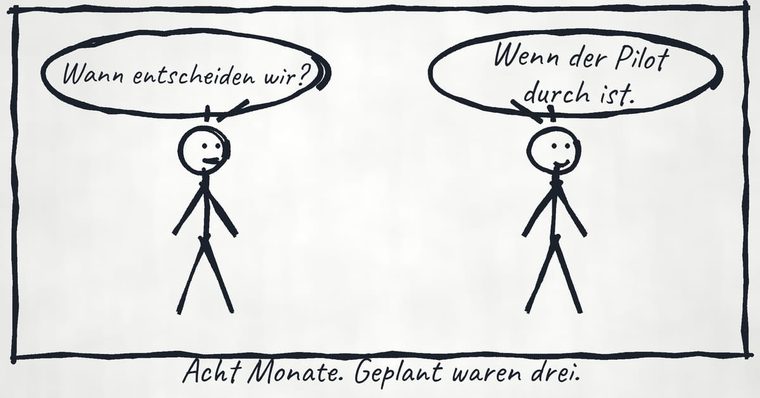
Acht Monate. Geplant waren drei.
Ein Kybernetiker hat 1972 aufgeschrieben, was da schiefgeht.
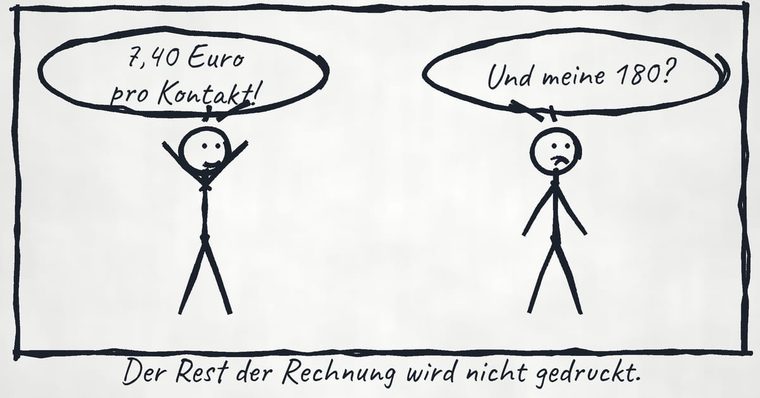
7,40 Euro. Der Rest der Rechnung wird nicht gedruckt.
Was der Anruf danach auslöst, steht auf keiner Auswertung.

I know both sides: client and provider
I started in 2002 on the phone myself, at an electronics online shop. Then team leadership, building a site, running an operation. Later on the other side of the table: the client who writes tenders, negotiates contracts and steers providers.
Knowing both sides changes how I read a tender and shows me what the provider's price is built on. That shows in escalations.
- Over 20 years in contact centers, service and telesales
- Managing Director of Spenden Manufaktur since 2026
- Roles at Zalando, Sitel, Convergys, FlixBus, IU and IUNworld
- COPC Registered Coordinator since 2015
- Berlin, German and English
Articles from operations
New articles arrive by newsletter, in German. Free of charge, unsubscribe at any time.